Romney for President
The dawn of the digital political (r)evolution
The year was 2012. I was working my first “real-world” job at a fashion e-commerce startup, and had recently become gripped by a slew of political dramas like The West Wing and The Ides of March. One evening, while browsing job listings, a posting caught my eye: Digital Designer, Romney for President. My cursor hovered over “Apply now.” I clicked. Within a few short weeks, I had a response, an interview, and an offer.
Growing up in Massachusetts, I had always been fascinated by the power of design in history. Field trips to the JFK Library left me captivated by how something as simple as a button, a sign, or a t-shirt could rally millions and live on as cultural and historical artifacts. Suddenly, here was a chance to contribute my own designs to a campaign that would be part of history, win or lose.
I quickly settled into a tiny office overlooking the Zakim Bridge, surrounded by dozens of campaign workers from all walks of life. The energy was electric. My work was fast, constant, and incredibly high stakes: signage, event graphics, merchandise, web pages, digital content design—all turned around in hours, not days.
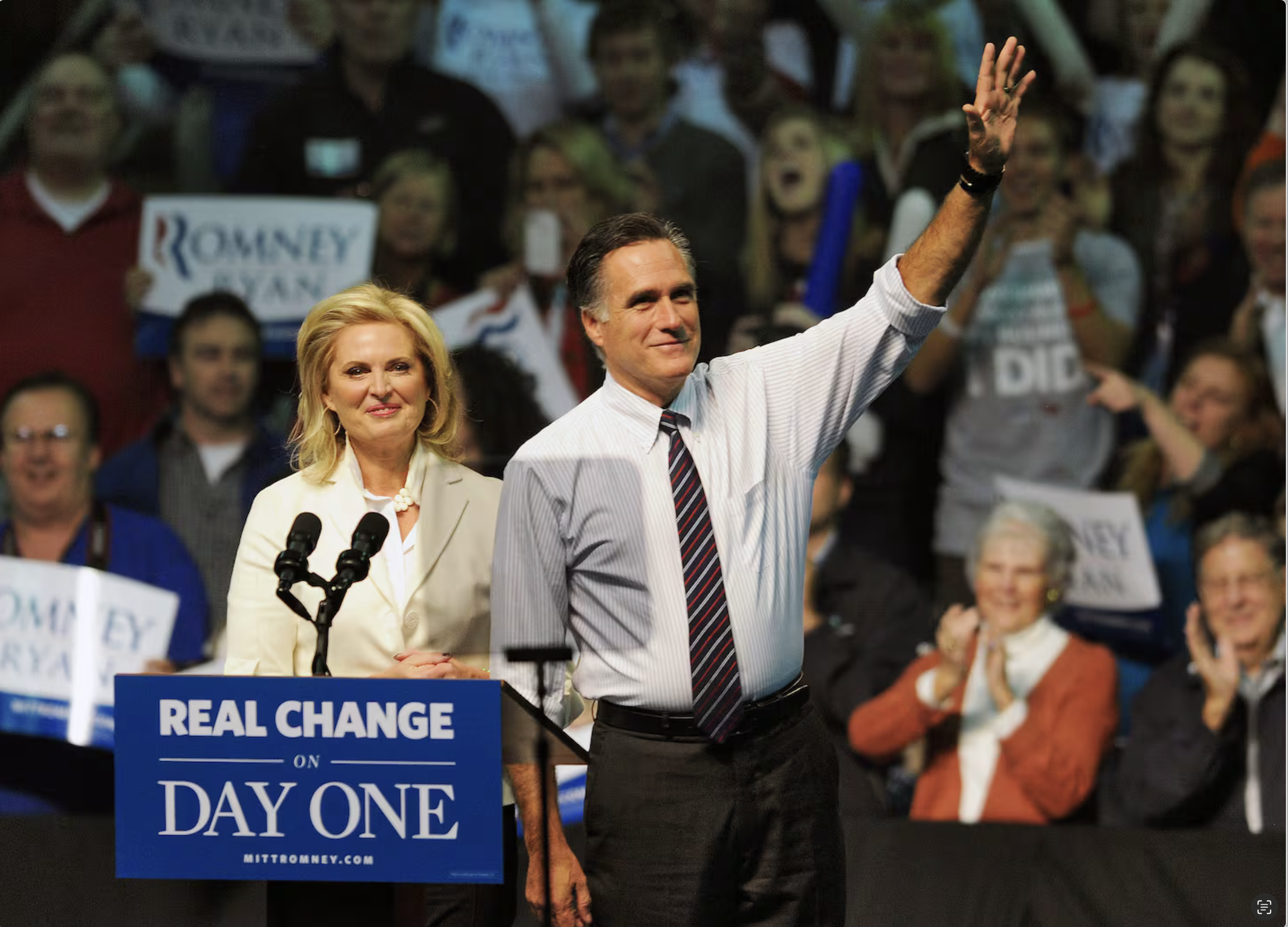
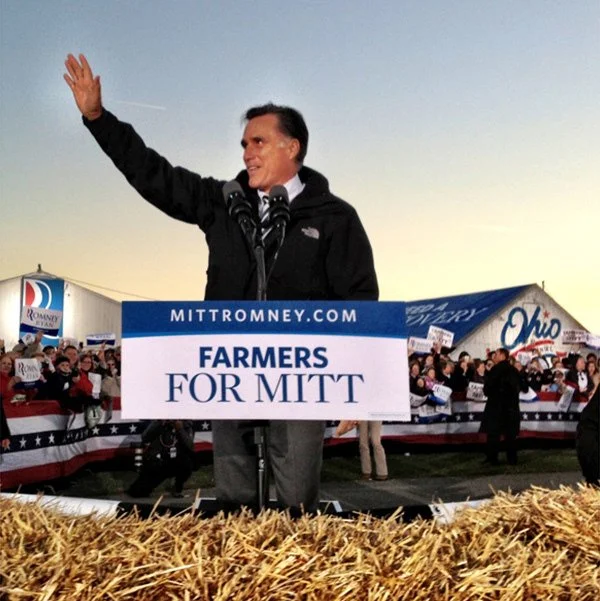
The surreal moments came fast: grabbing coffee at my commuter rail stop and seeing t-shirts I had designed for a rally on the front page of the Wall Street Journal and Boston Globe; turning on the news to see the governor behind a podium sign I’d designed hours prior; or Mrs. Ann Romney and her Secret Service detail walking a breast cancer fundraiser in bright pink shirts I had created. For a young designer, these were surreal, formative moments—and proof that design could operate at scale and have immediate, tangible impact.
Election Day arrived after weeks of exhaustion and adrenaline. I woke at 4:42 a.m., butterflies in my stomach. And by midnight, the marathon was over. The loss was ours.
A few days later, I was handing in my equipment, and I felt compelled to personally thank the man himself. My friend and I quietly approached his office. He was alone, tidying belongings and boxes, and looked like a balloon the day after a party. I said hello and thanked him for the opportunity to work for him. He smiled, weary but genuine: “Yeah, well, thank you… Really wish we woulda won, though.”
I still think about this exchange, and how if things had gone the other way, I never would’ve stood in his office like that, bearing witness to the brutal loss of the fighter on the other side of the gauntlet—with the entire world as the audience.
Years later, I attended a design conference in Toronto and heard Josh Higgins, former design director of Obama for America, give a speech that mirrored my own campaign experience—only from the other side of the aisle. The audience erupted in applause, and I felt both seen and a little defeated all at once.
I caught up with Josh later that day and we swapped stories about the chaos of the campaign trail, our shared design professors and San Diego origins, and lessons learned. He worked at Facebook on Oculus at the time, still at the forefront of culture. That conversation reminded me that the core lessons of campaign design—speed, collaboration, creativity under pressure—transcend politics.
Working on that campaign taught me the power of design to unite people around a common goal and the importance of mission-driven work. It showed me how much can be accomplished when a team is fully aligned and committed. Even over a decade later, I look back on the experience as historic. Not because of the outcome, but because of the process, the scale, and the impact my team and I were able to have on the quest for the presidency of the United States.
The story of the losing team rarely gets told. Still, the experience was no less transformative: it taught me resilience, speed, collaboration under pressure, and how design can truly impact perception and behavior at a national scale.
For me, that campaign remains a once-in-a-lifetime ride. I wouldn’t change a thing.
NOTE
I was 22 when I took this job. I was then, and still am, a registered Independent. Above all, I believe in the need to return to dialogue (not cancellation and silencing of opposing viewpoints) and uphold the ideals our nation was founded upon—free speech, and liberty and justice for all.
I was a digital designer on the campaign. My role stretched across site content, signage, social media, merchandise design, and beyond.

Turning on the TV or picking up a newspaper at almost any point in the campaign meant seeing something I'd designed hours prior in front of the world to see. This was exhilarating for me as a 22-year-old.
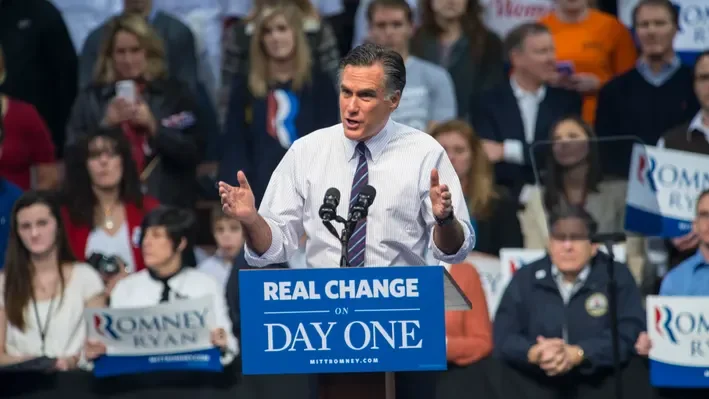
Turning on the TV or picking up a newspaper at almost any point in the campaign meant seeing something I'd designed hours prior in front of the world to see. This was exhilarating for me as a 22-year-old.
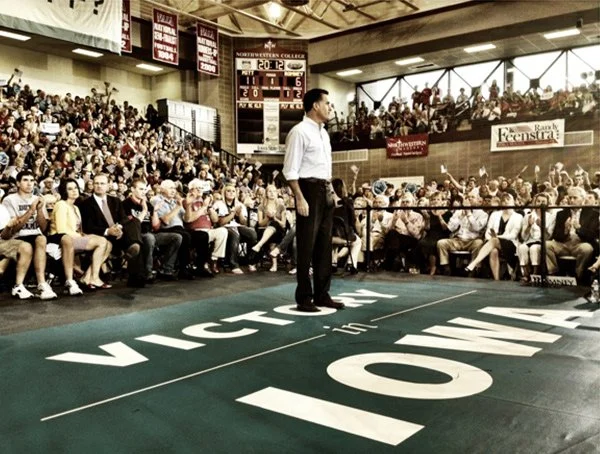
![photo[1] 2.JPG](https://images.squarespace-cdn.com/content/v1/5f0ba2ece400123b351edd34/938d133d-8b38-48c7-82b9-6cb1faaae17e/photo%5B1%5D+2.JPG)
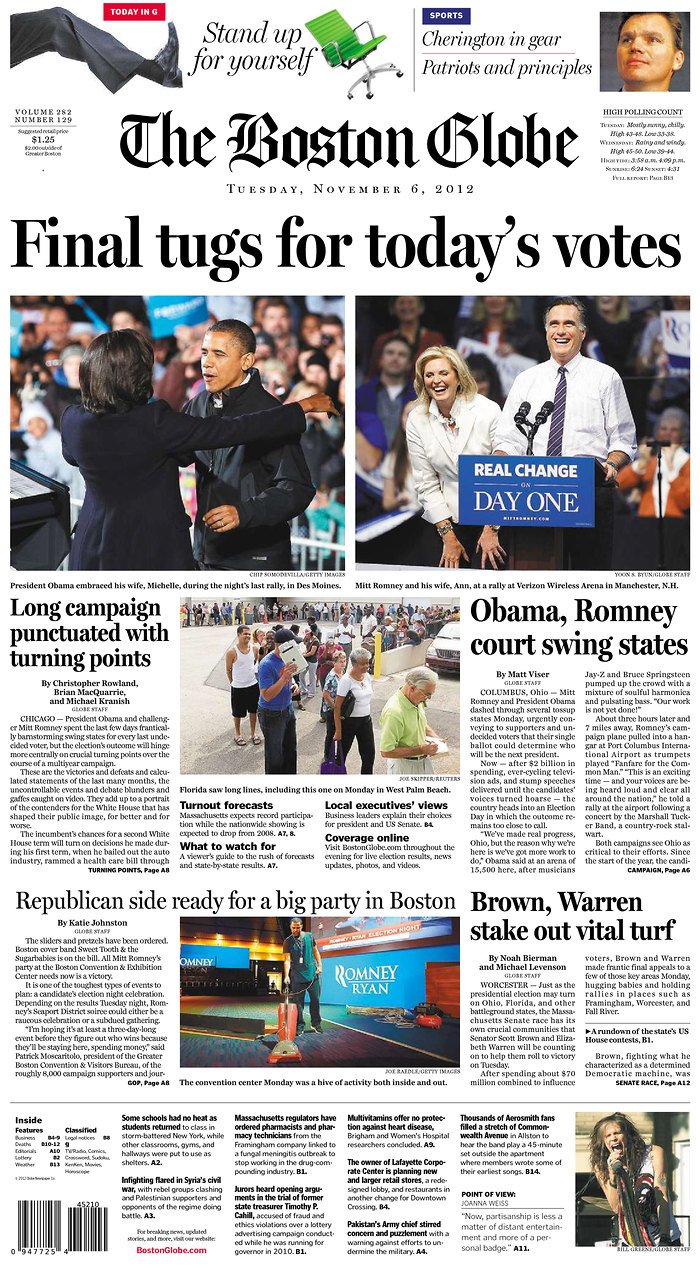
Turning on the TV or picking up a newspaper at almost any point in the campaign meant seeing something I'd designed hours prior in front of the world to see. This was exhilarating for me as a 22-year-old.
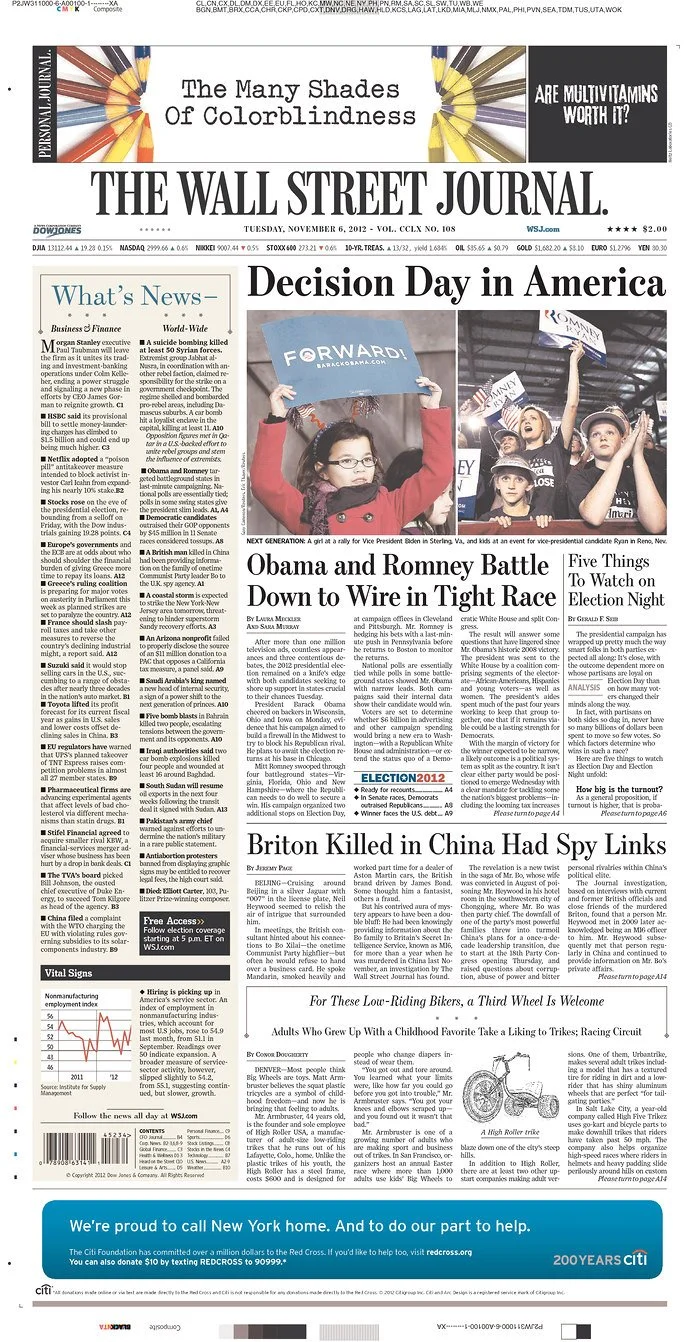
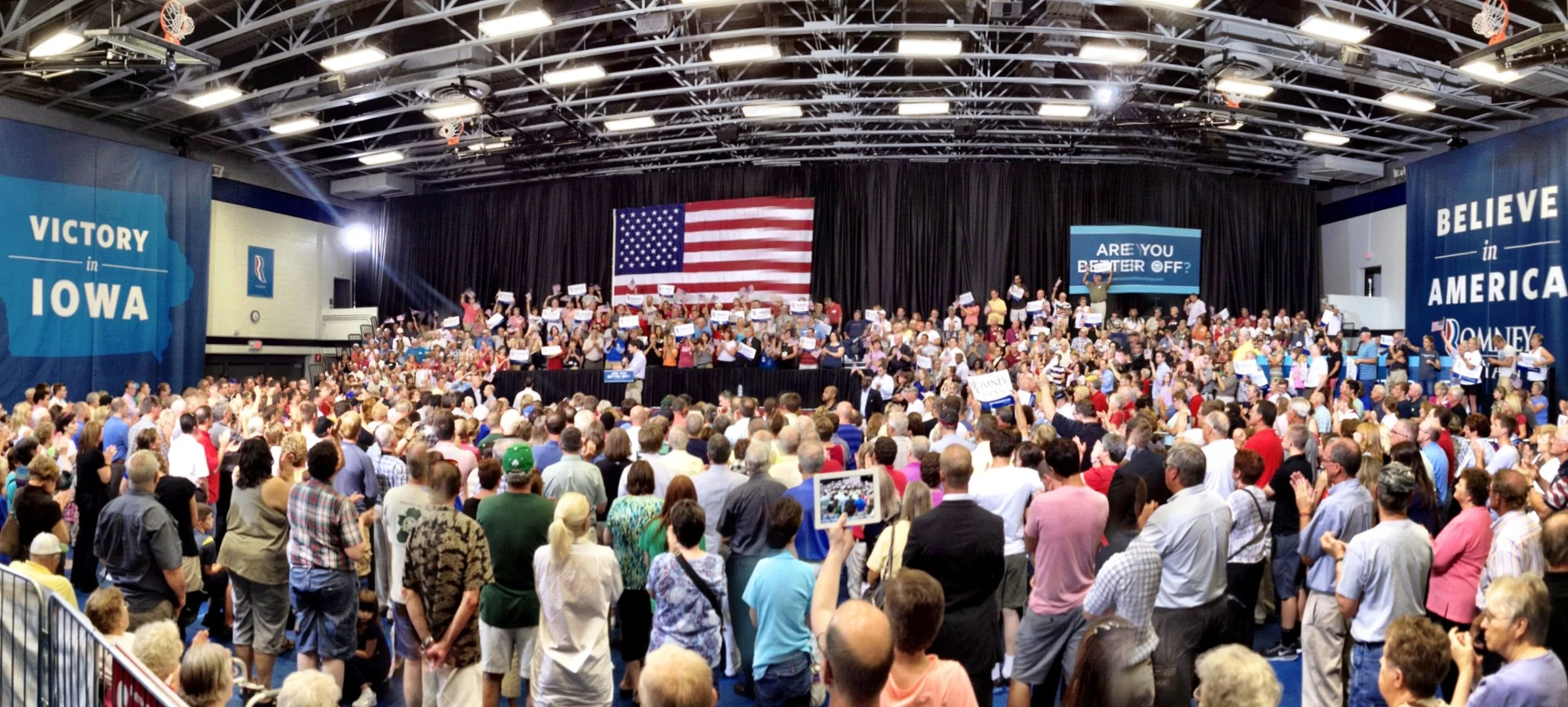
Turning on the TV or picking up a newspaper at almost any point in the campaign meant seeing something I'd designed hours prior in front of the world to see. This was exhilarating for me as a 22-year-old.
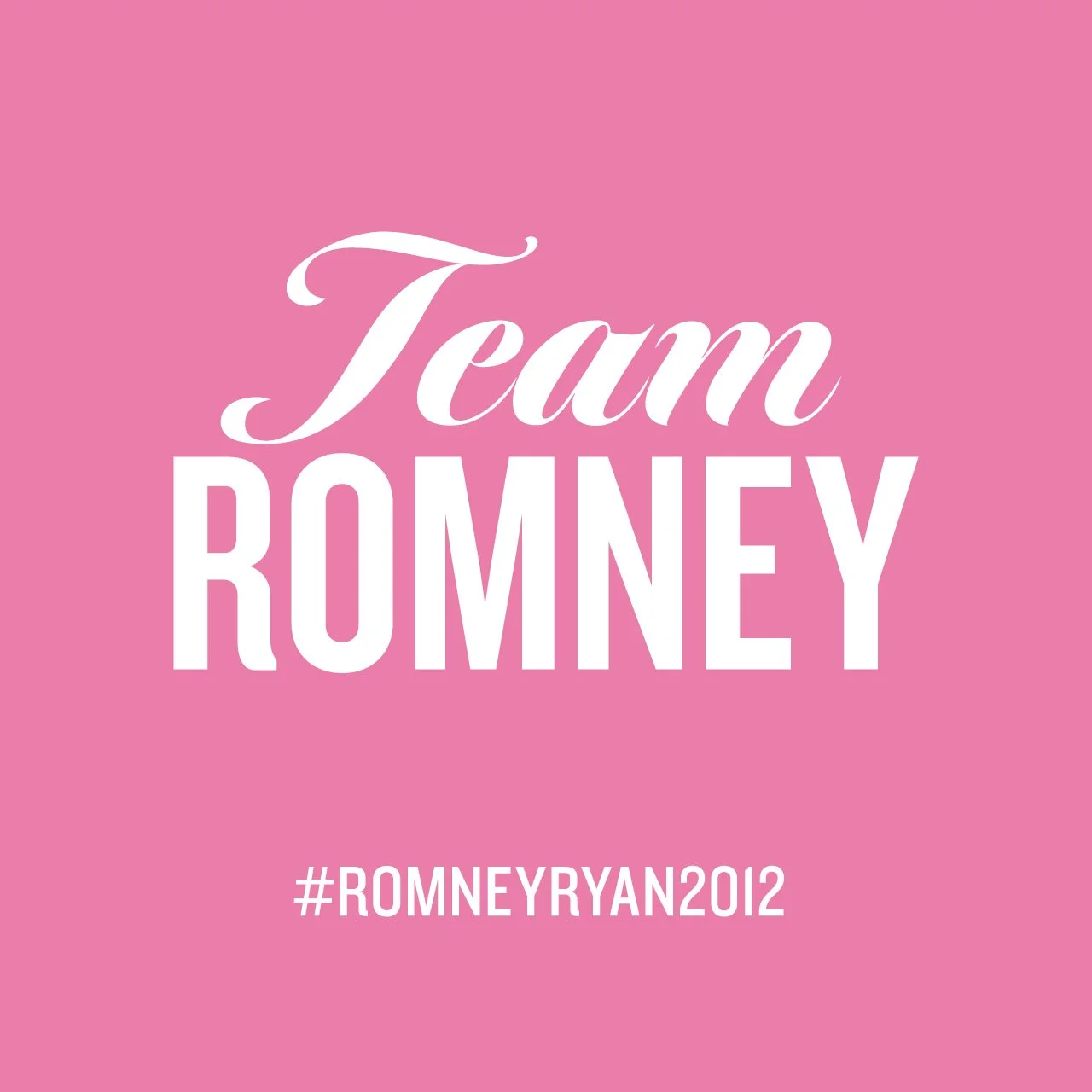
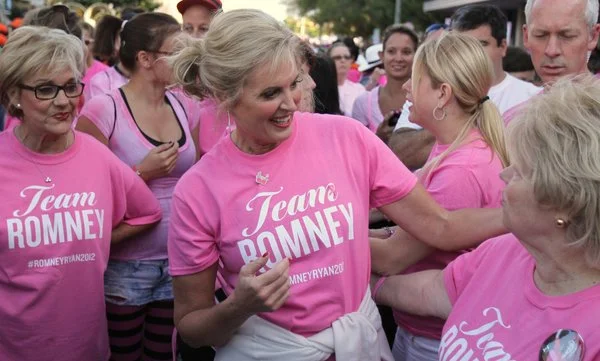
A favorite—shirts I made for first lady hopeful Ann Romney's breast cancer walk
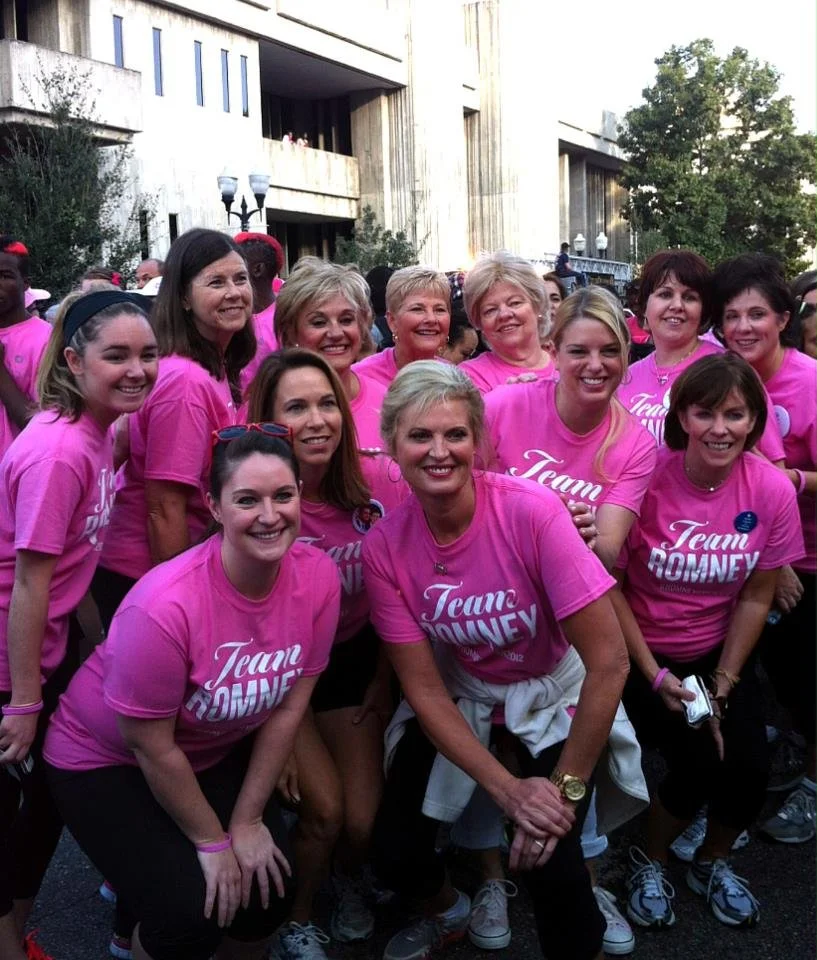
A favorite—shirts I made for first lady hopeful Ann Romney's breast cancer walk
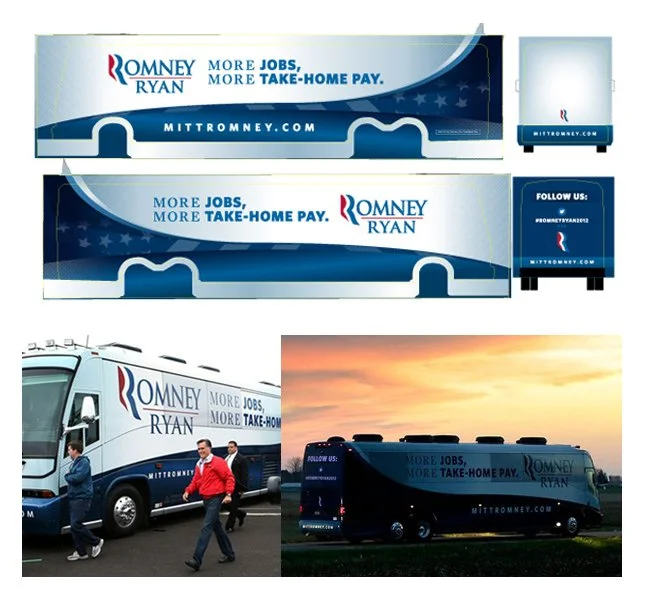
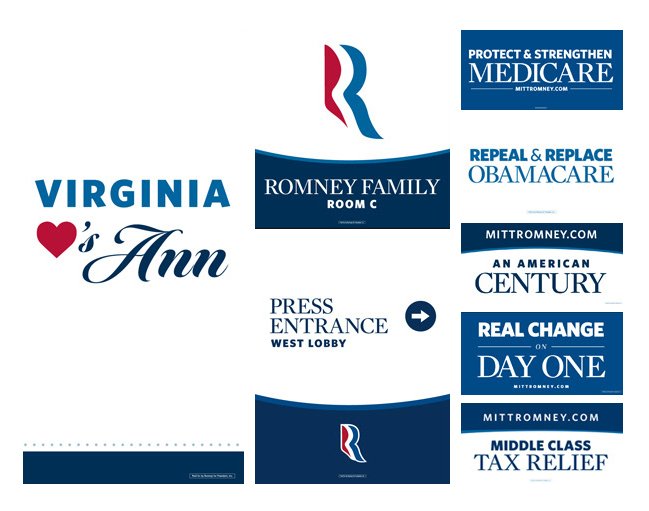
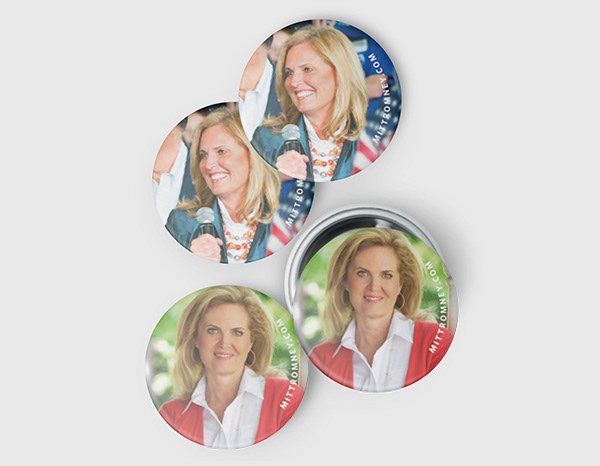
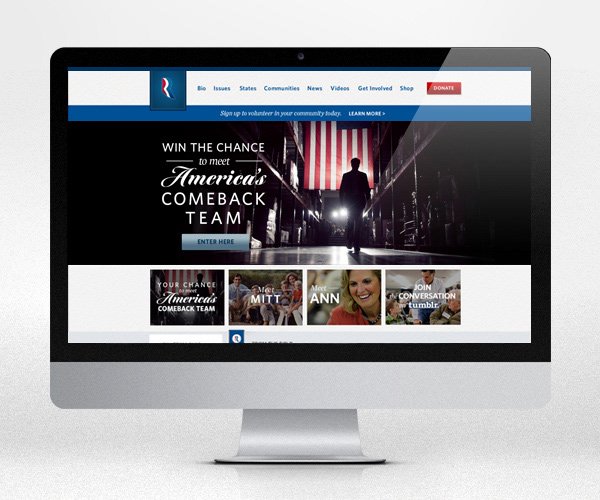
Site content design
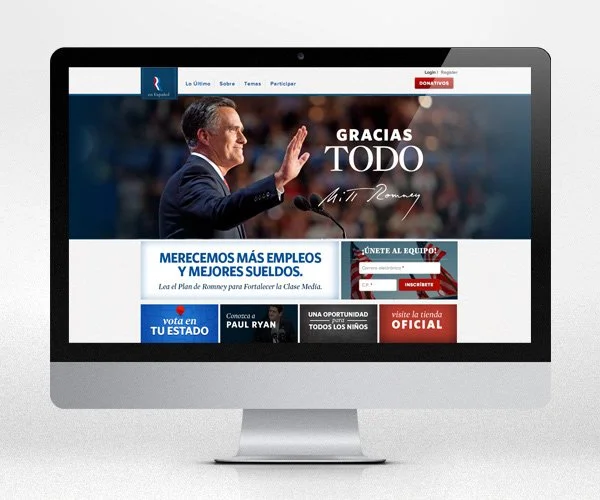
Site content design (I was the sole designer who designed for both the English and Spanish sites)
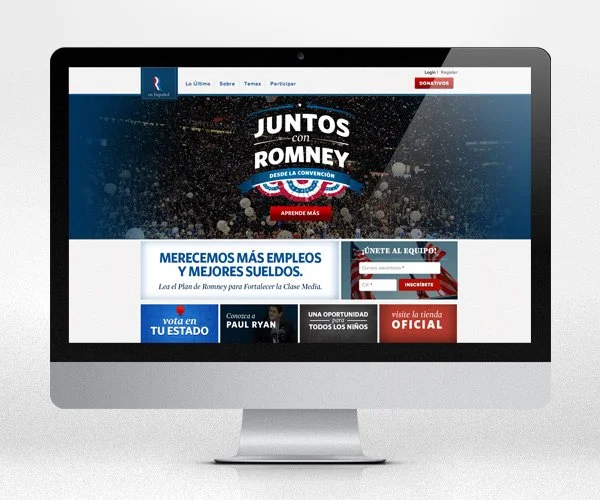
Site content design (I was the sole designer who designed for both the English and Spanish sites)
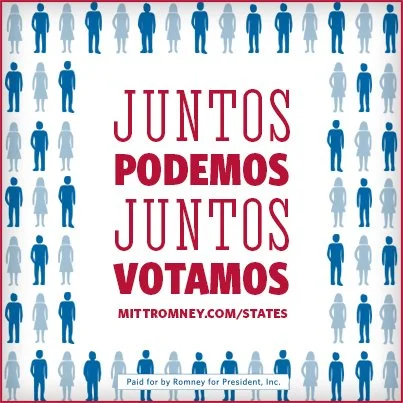
Social content design
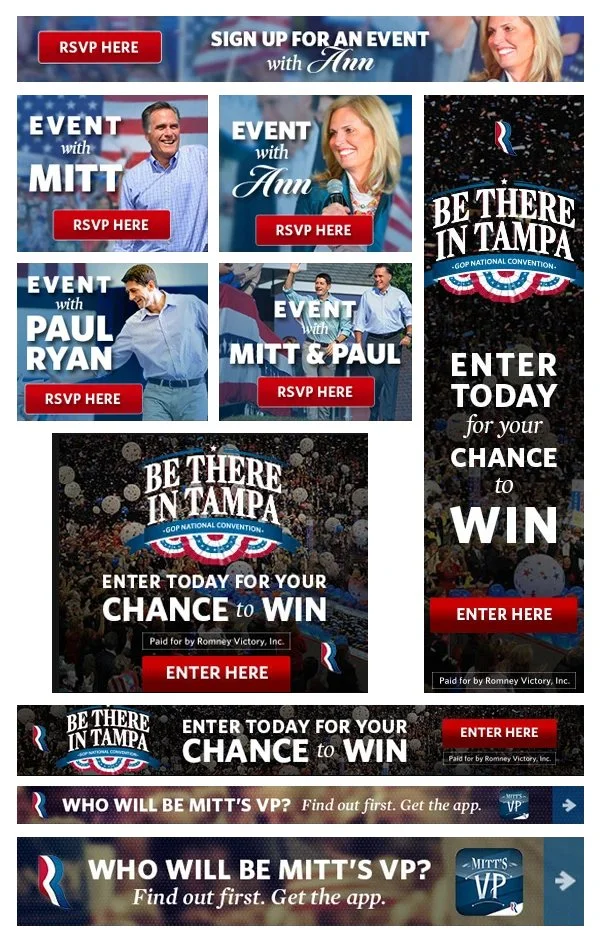
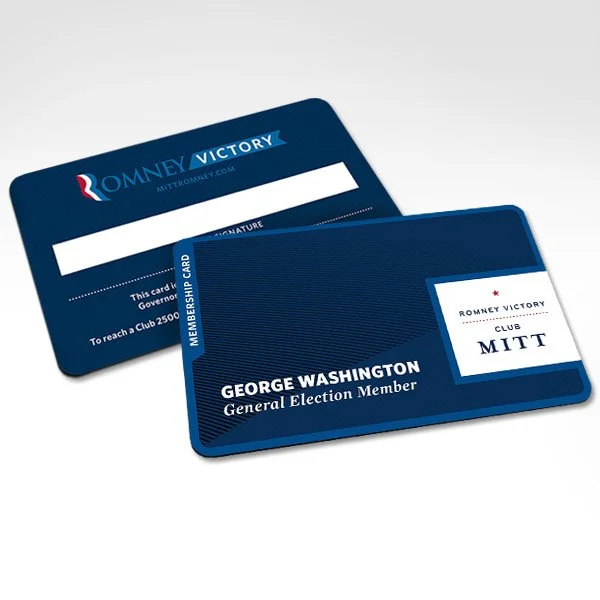
Club Mitt card design (collectible for high dollar donors)
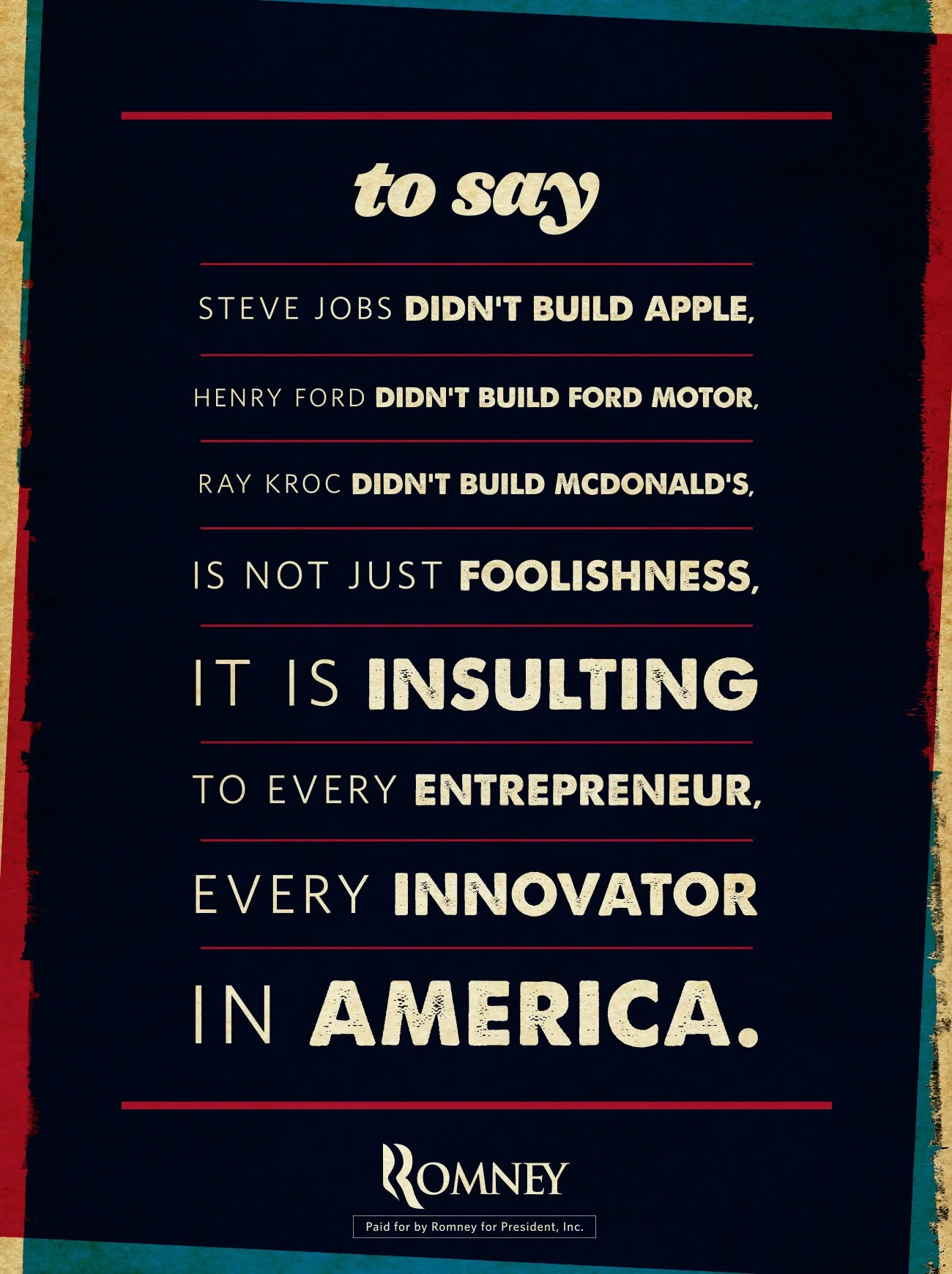
Social content design
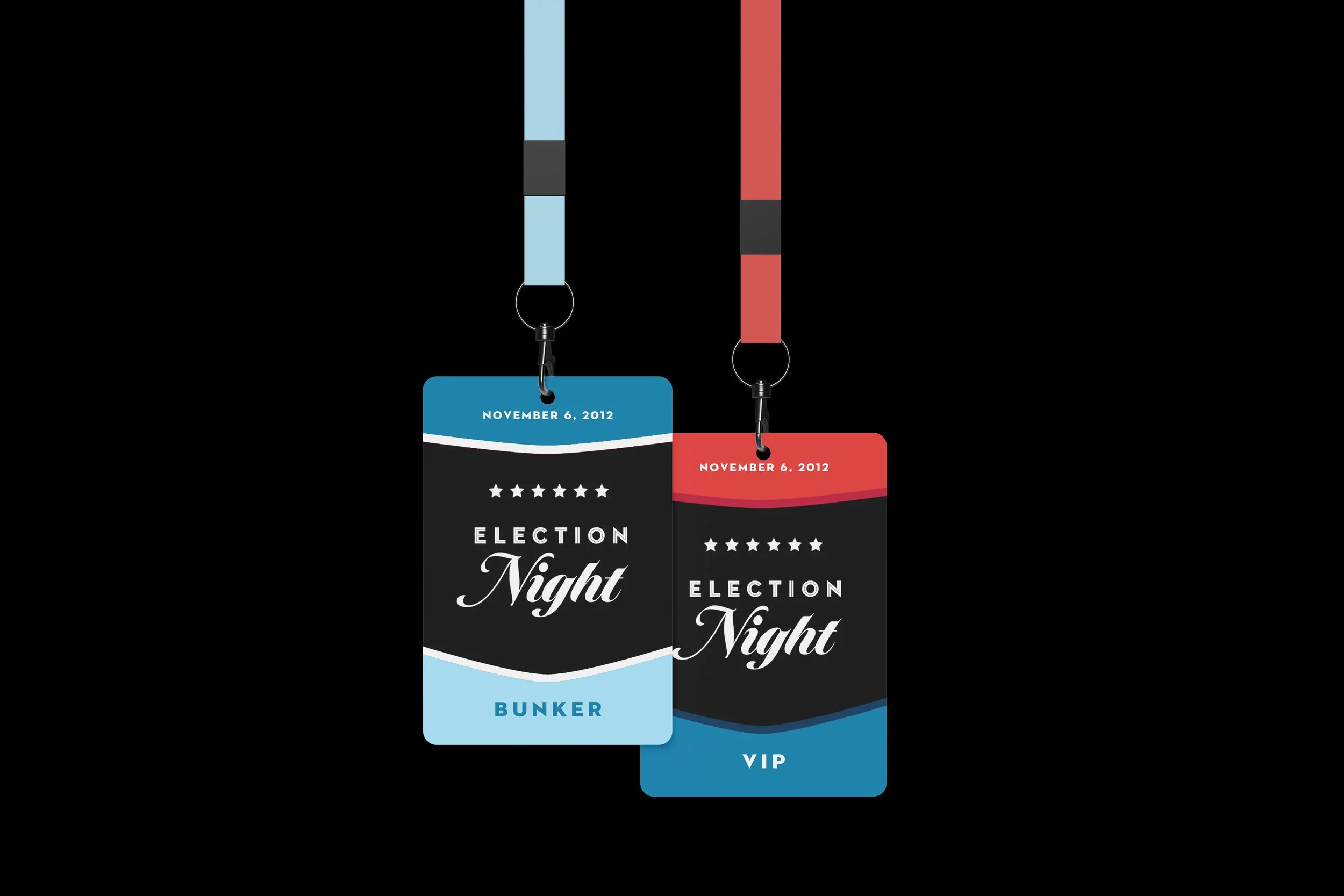
Election night badges
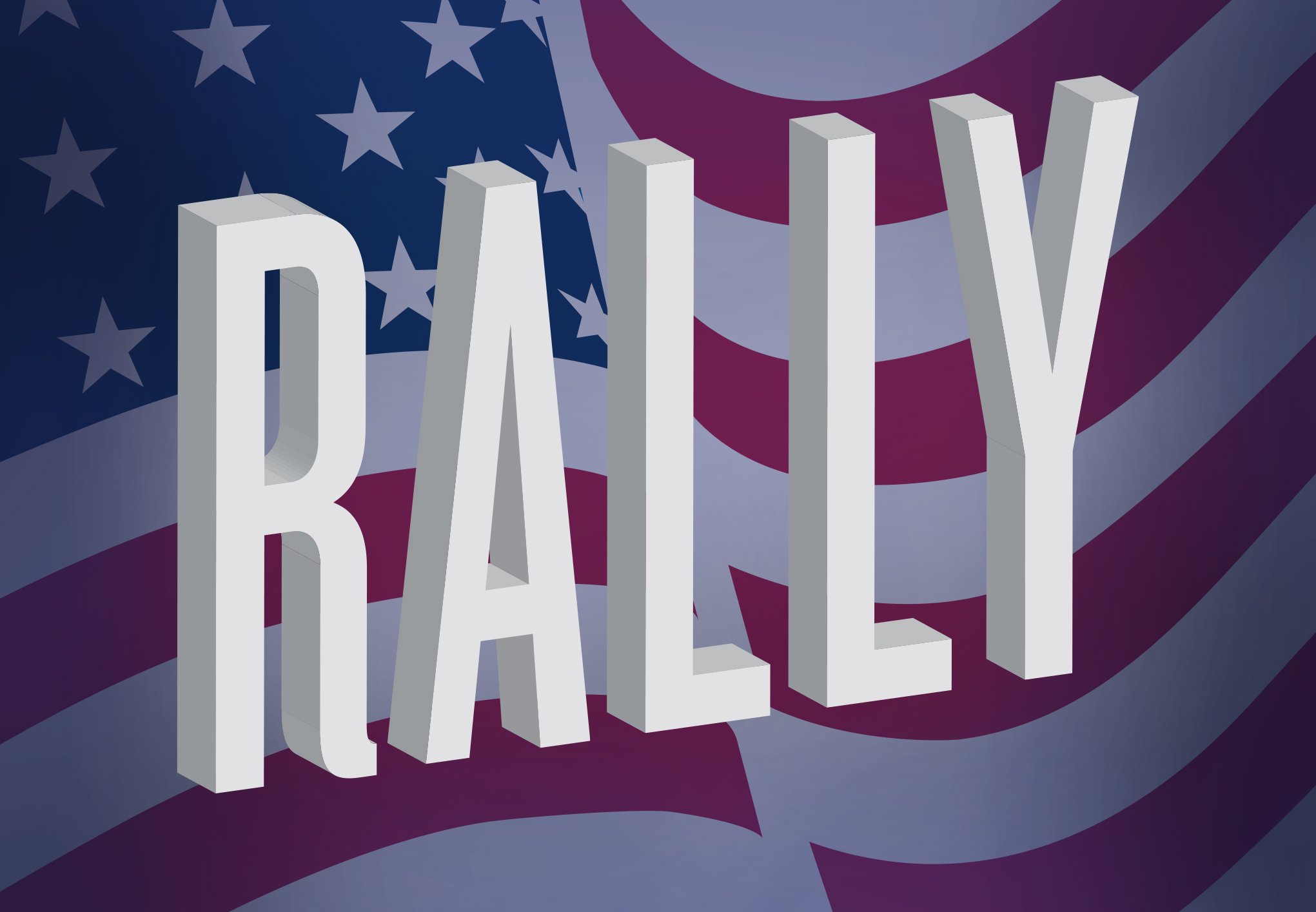
Social content design
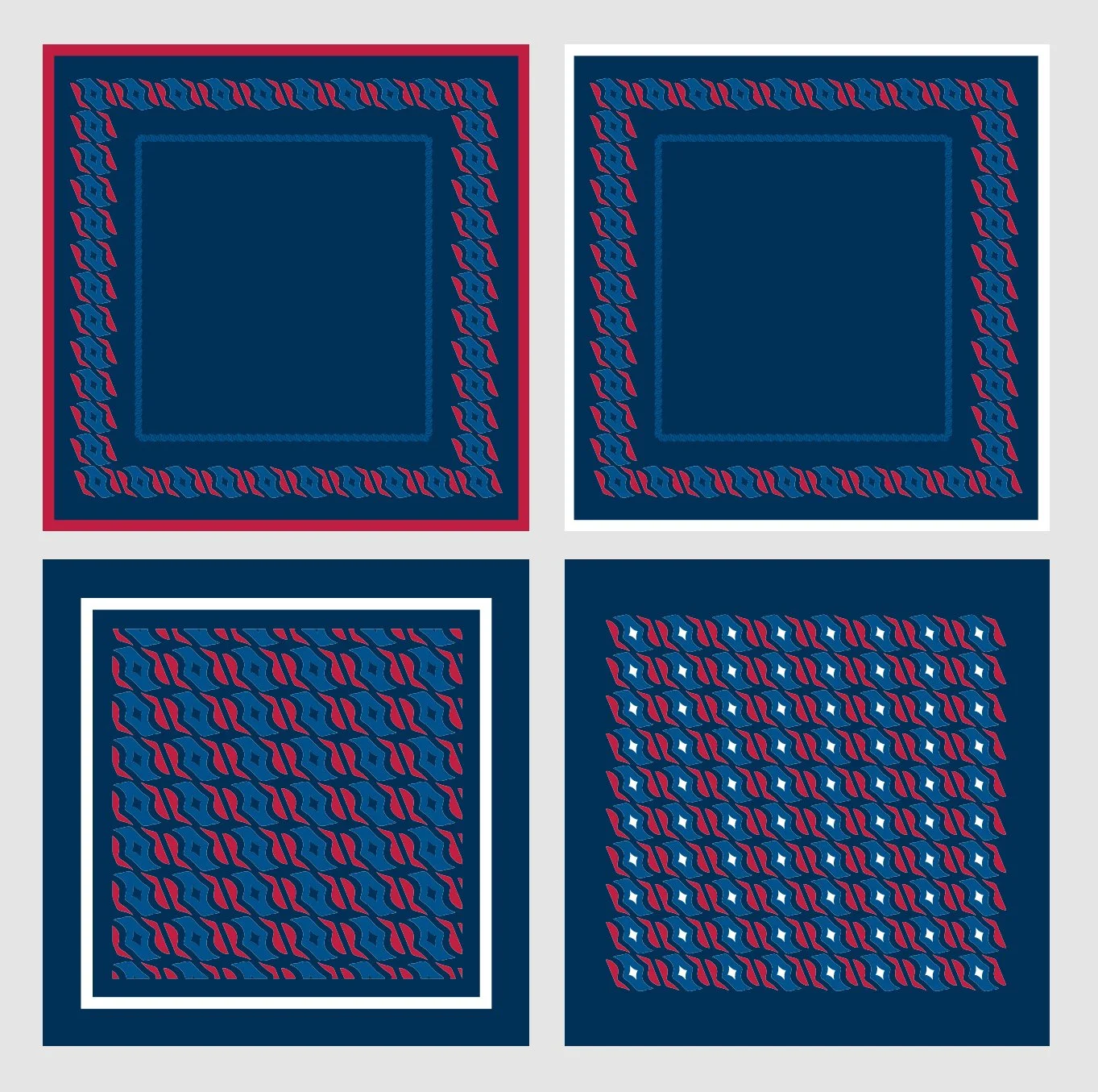
Merch—Bandana designs for online low-dollar fundraising store
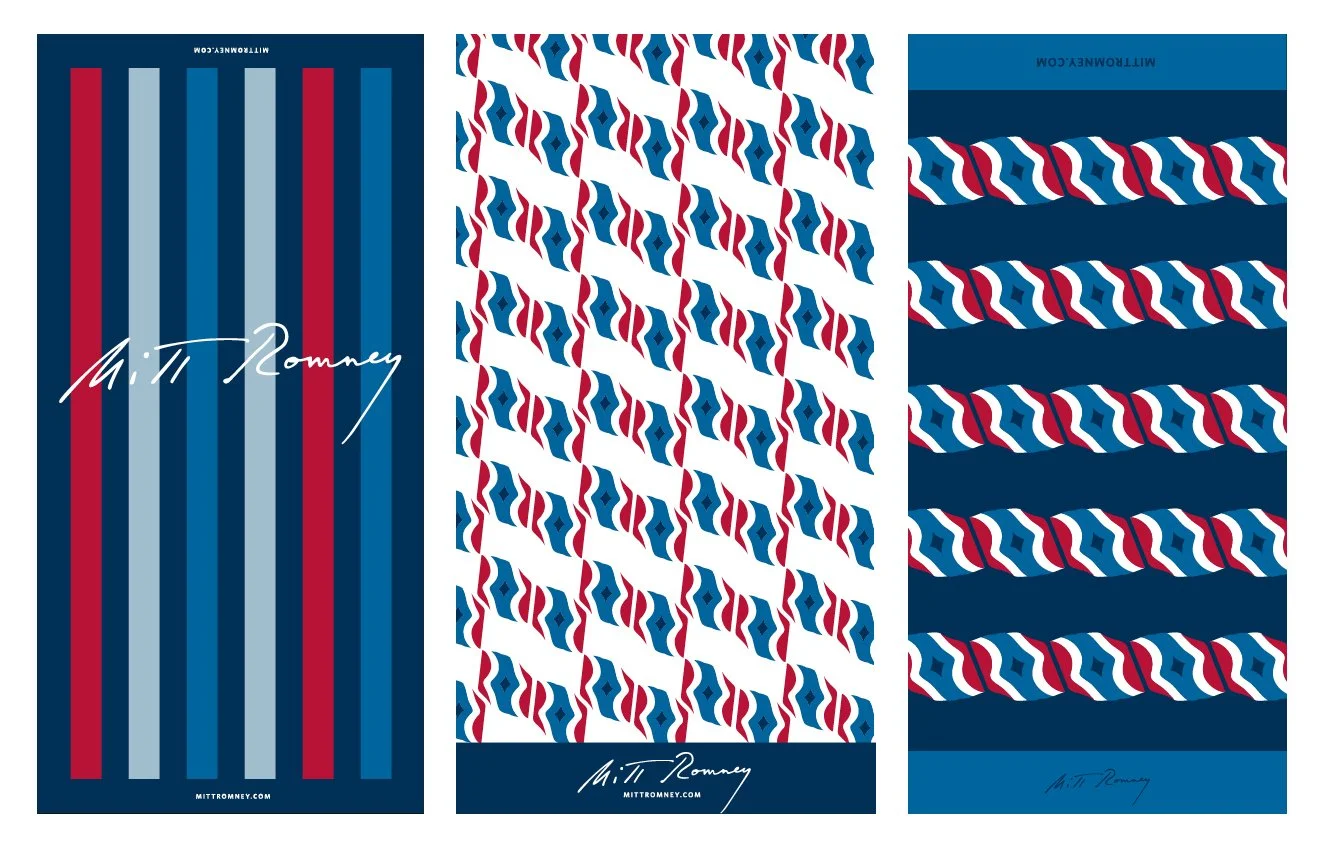
Merch—Towel designs for online low-dollar fundraising store
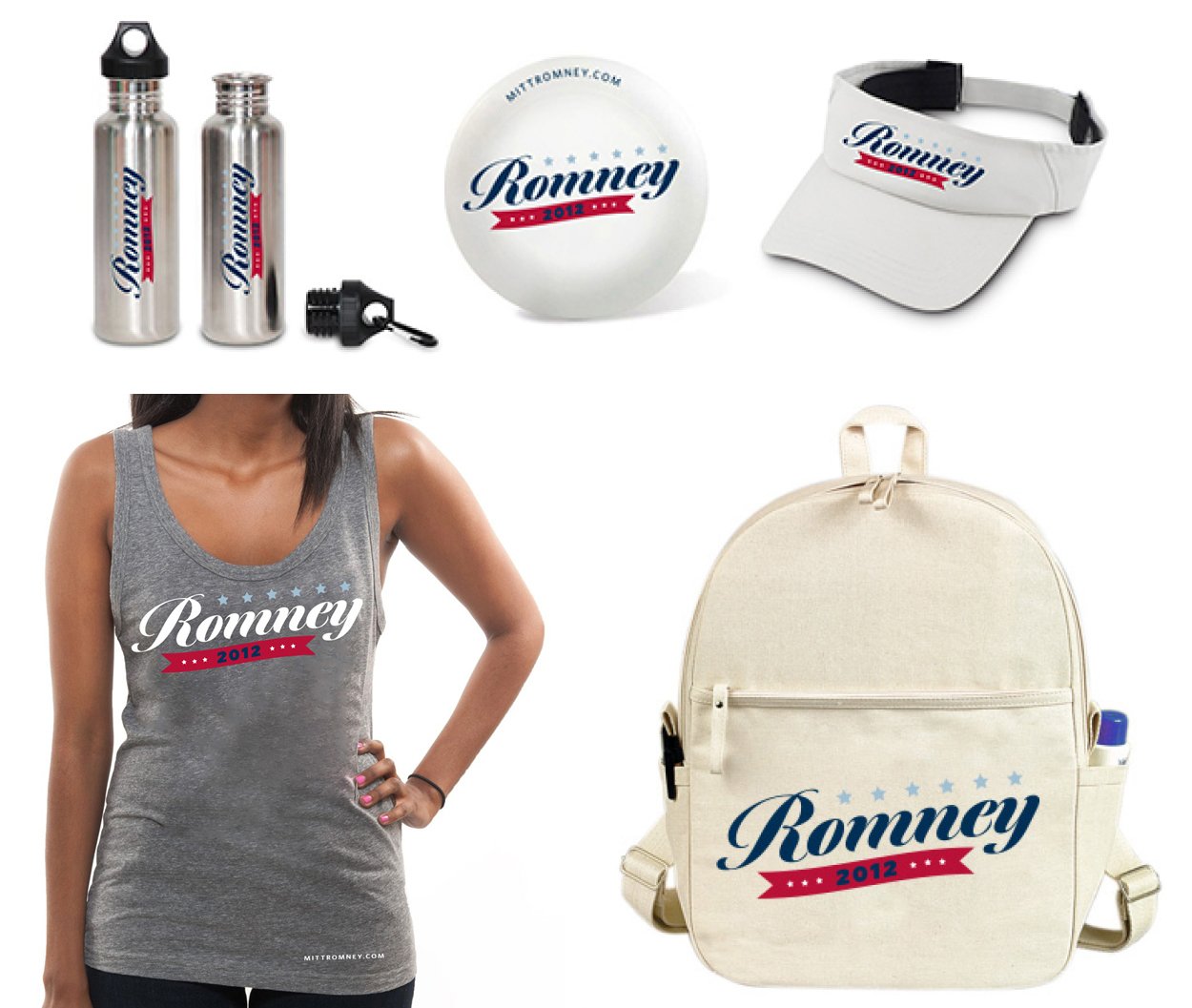
Merch for online low-dollar fundraising store
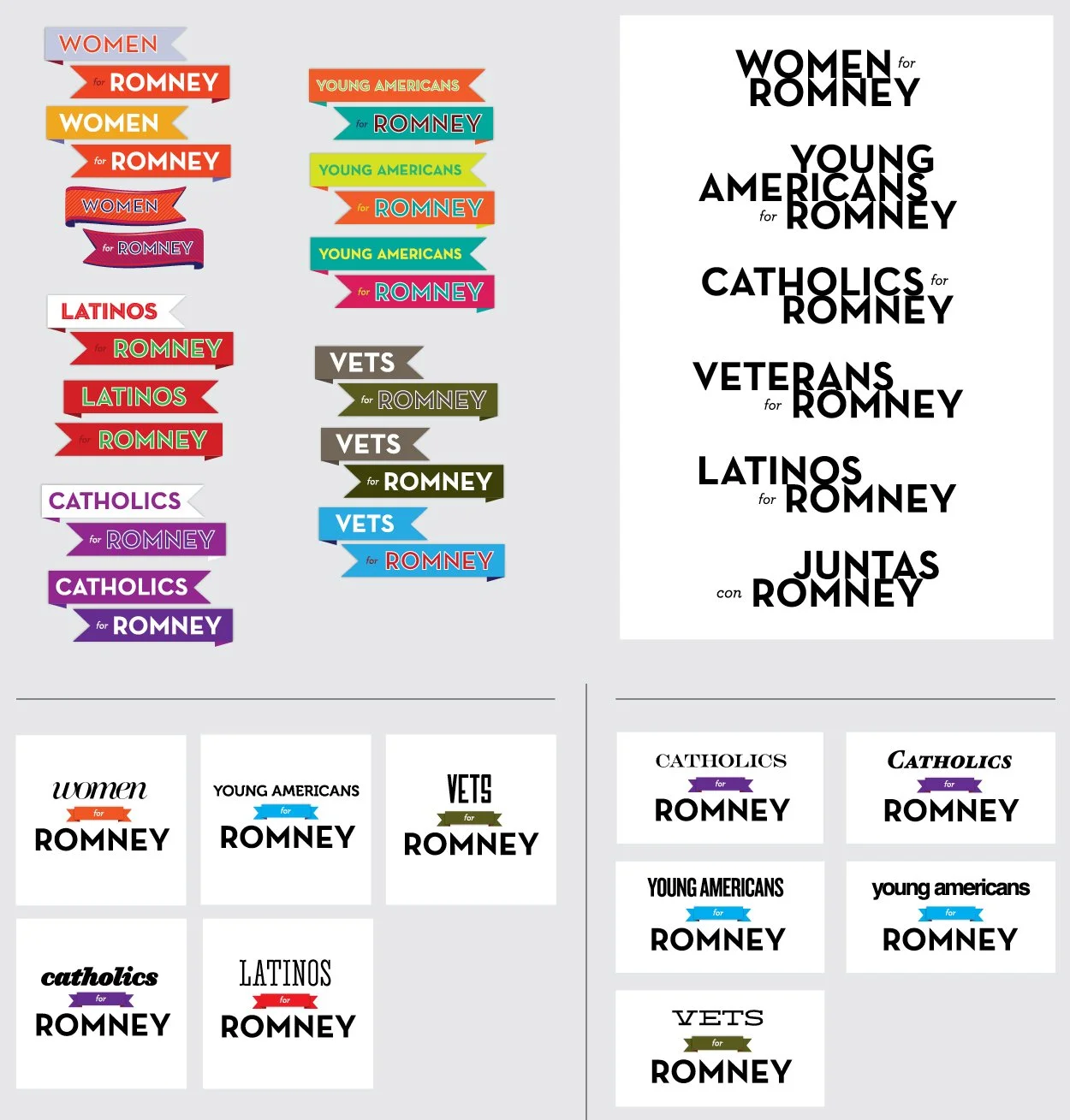
Type studies for coalitions
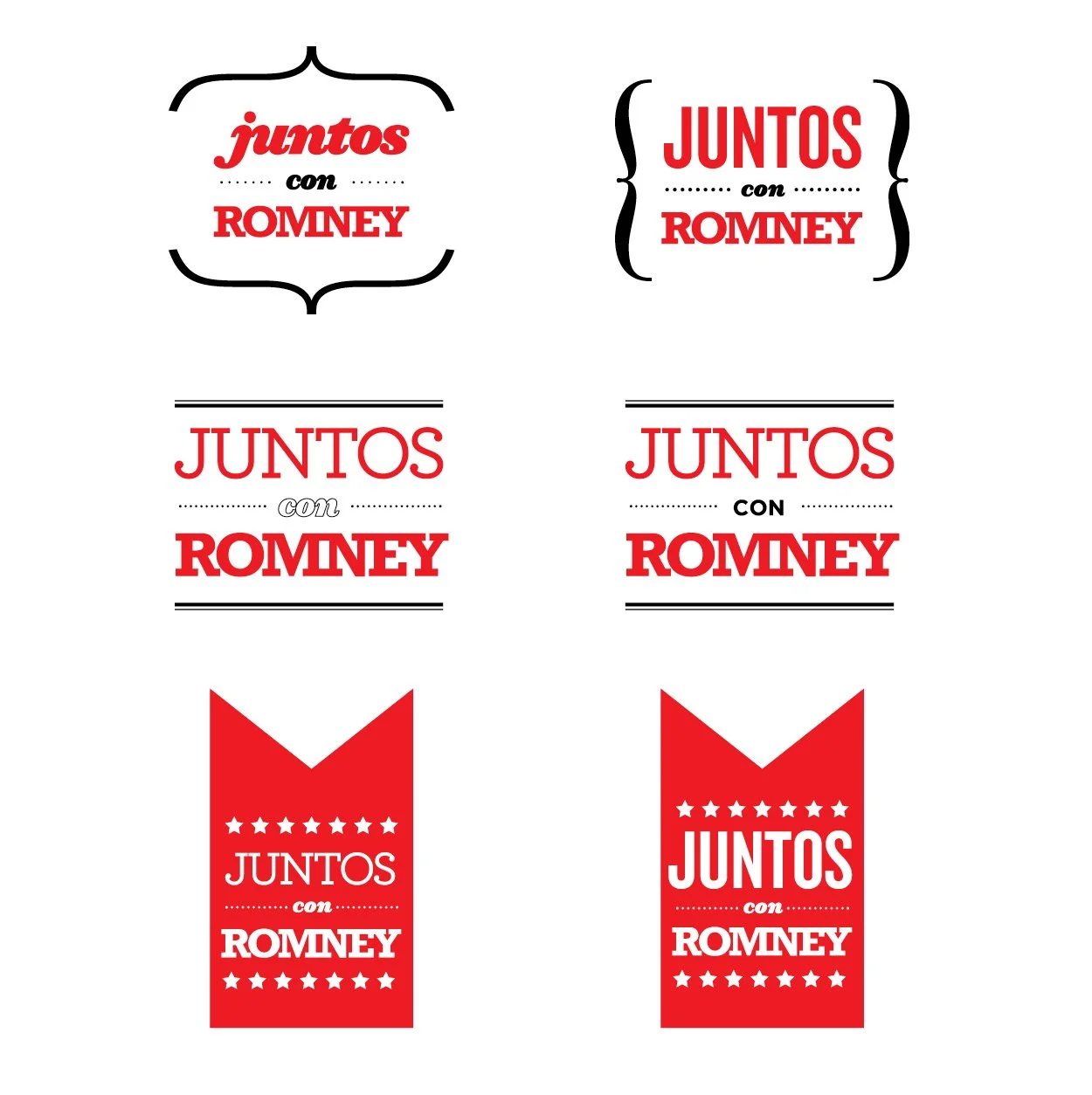
Type studies for coalitions
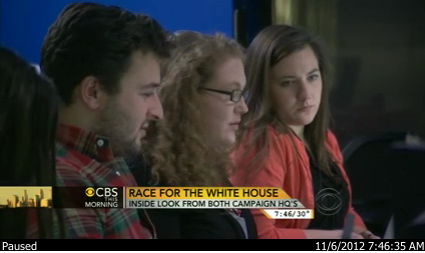
Underslept, on the job, on the news
No, I did not design the Romney logo. We inherited it.
Nor was I the designer who misspelled America and got roasted by Stephen Colbert.