
How I used AI as a creative partner to create company system launch materials
As part of a year-long, high-stakes platform launch at EF, I used AI as a creative and strategic partner to rapidly design internal launch materials that energized engineering teams and supported adoption during a major systems transition.
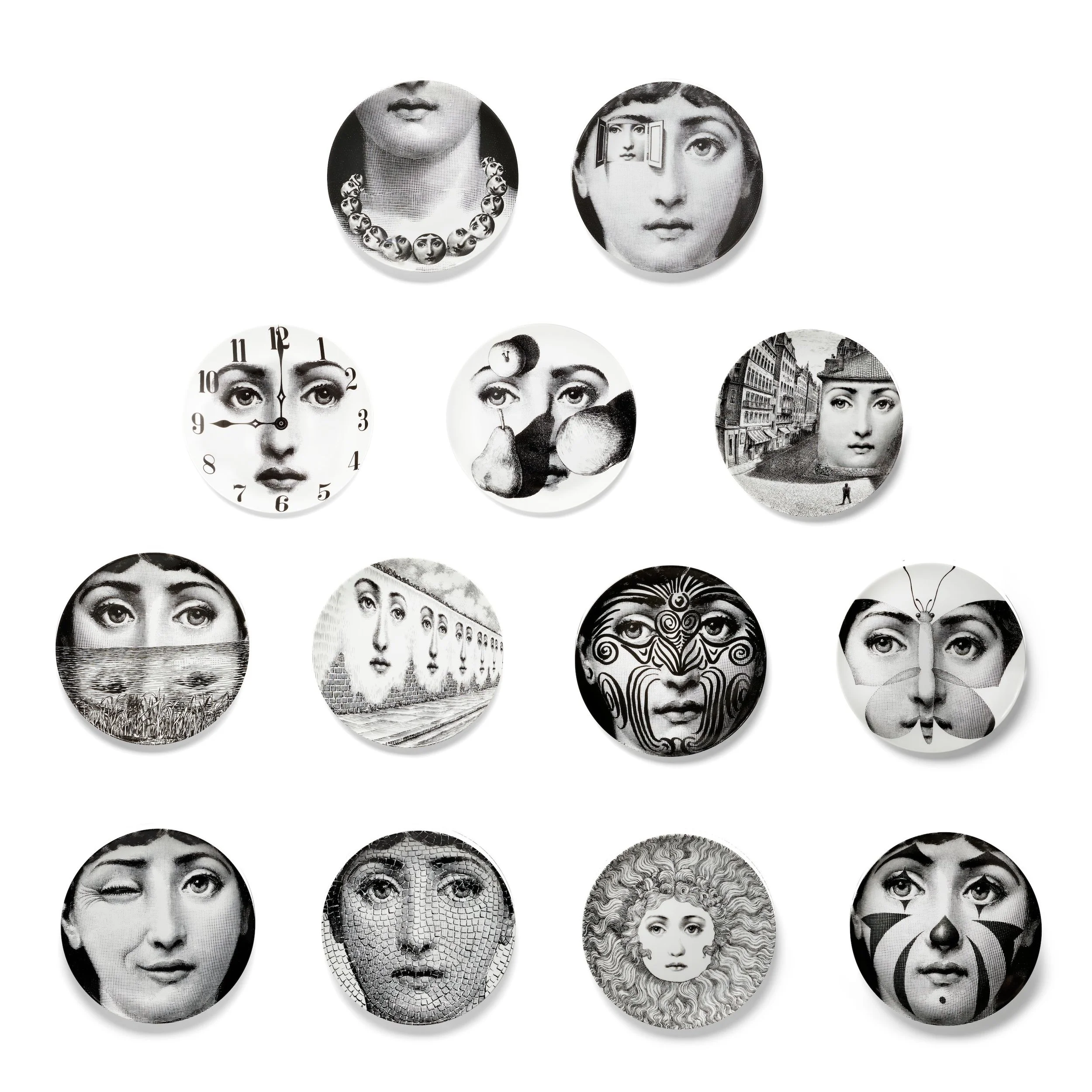
Piero Fornasetti illustrative plates
BACKGROUND
While working as a Product Designer on the Engineering team at EF World Journeys, I was part of a major investment in technology and infrastructure aimed at transforming a long-standing “cost center” into a scalable profit engine. A core initiative of this effort was the consolidation of several aging, fragmented systems into a single modern Booking Engine—designed to support the business for the next decade while significantly reducing engineering toil.
In parallel, the organization was working toward true multi-tenancy: enabling three B2C sub-brands under the EF umbrella to operate on a shared architectural foundation. This shift allowed teams to deploy features more efficiently and freed engineering capacity to focus on platform-level work that better supported evolving business needs.
The initiative spanned roughly a year and culminated in a high-stakes launch just ahead of peak travel season. Engineering leadership coordinated on-site launch support across multiple offices and time zones (Boston, Denver, and Zurich) to ensure sales and customer service teams could transition smoothly—while anticipating and rapidly responding to the inevitable edge cases and bugs that surfaced.
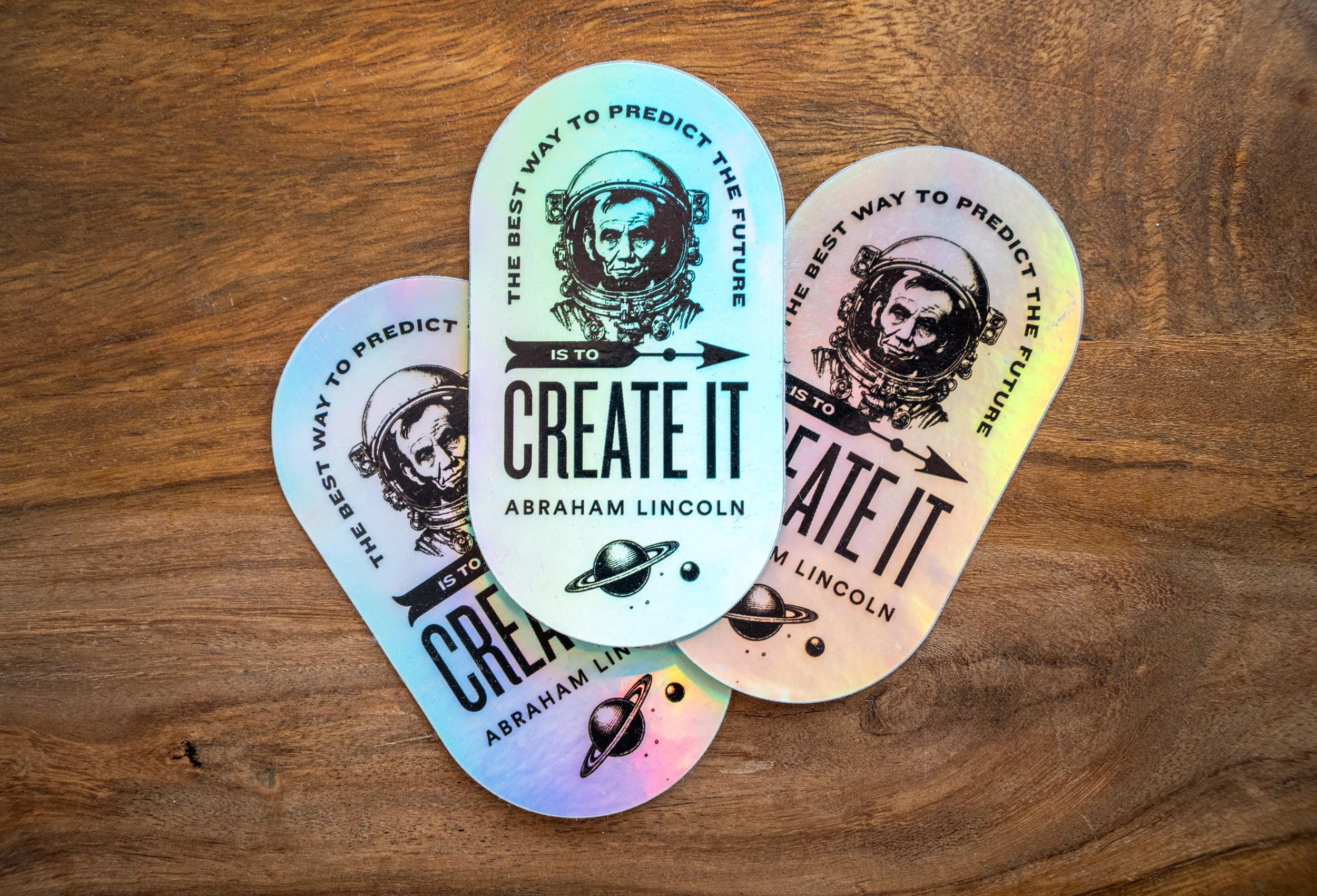
Beyond my core responsibilities as a Product Designer helping consolidate experiences across brands, websites, and apps, I was brought in by the VP of Engineering and VP of UX to support the human side of the launch. I designed internal launch materials—including stickers, posters, and visual artifacts—to celebrate the work engineering teams had completed and to help new and existing staff feel confident adopting faster, more intuitive systems. The goal was simple but critical: build excitement, reinforce trust in the new platform, and empower teams during a period of significant change.
The only problem was that I was already fully resourced to ongoing work, so this project had to be done as quickly and efficiently as possible. After seeing constant AI case studies emerge around me, I decided to try using it on this ask.

THE VISION & ART DIRECTION
Throughout the year at town halls and other company-wide meetings, the engineering team was prompted to update the business on its progress. In order to maintain excitement for this initiative, there was actually an open poll/digital suggestion box to name the new booking engine. The name ABE (A Booking Engine) was born from this prompt and a staff suggestion. So, we ran with it. In preliminary stakeholder meetings about the booking engine, some folks were circulating a rough placeholder logo of a geographical pin with a stovepipe hat, and it apparently became quite beloved. I was asked to refine this logo for use across the business, so I worked on it in Adobe Illustrator.
For the other materials, I was asked to run with the ABE name and theme. We had one other system name to work with, WOJO ONE, so that would be part of the suite as well.
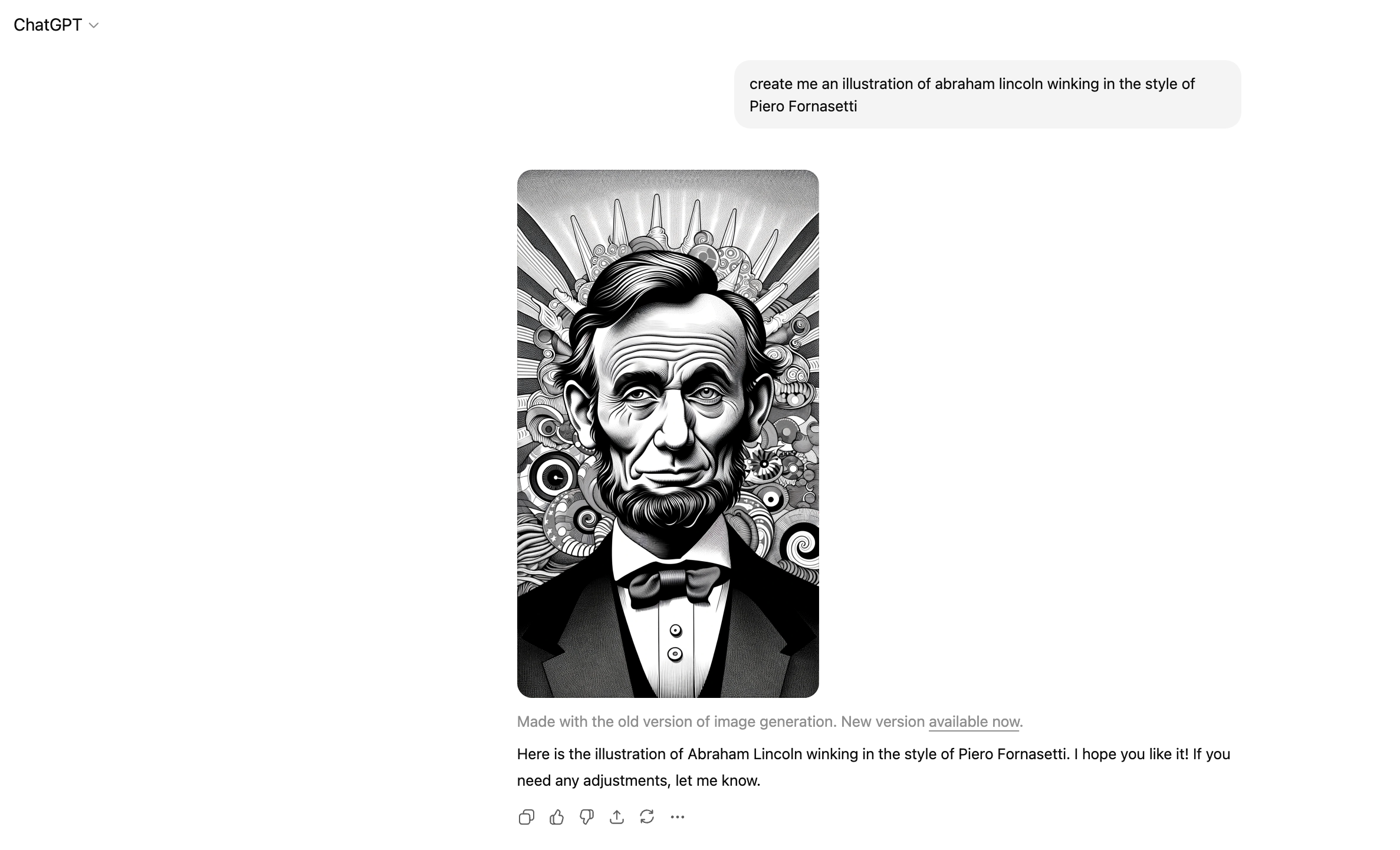
For the art direction, I wanted to merge the old with the new. The past systems, the Abraham Lincoln imagery, and this new mega-powerful tech stack that would bring us from the past into the great unknown. This conjured imagery of a kind of astronaut Abe Lincoln explorer, leading his people into the future. I envisioned really fine, detailed pen and ink illustrations, and thought of the work of Piero Fornasetti. Fornasetti takes these old-world style portrait illustrations and transforms them with a cheeky twist. So I started with that prompt into ChatGPT (at the time, using 3.5), and this is how I modified it from there.